Skip to content
Urja Disha Boiler Technologies LLP logo

Advanced Thermal Solutions for Steel Production

Energy-efficient thermal systems designed specifically for steel production, optimizing performance while reducing energy consumption and emissions.

Proven in 25+ Countries4 Delivered Case StudiesCustom FOIK Thermodynamics
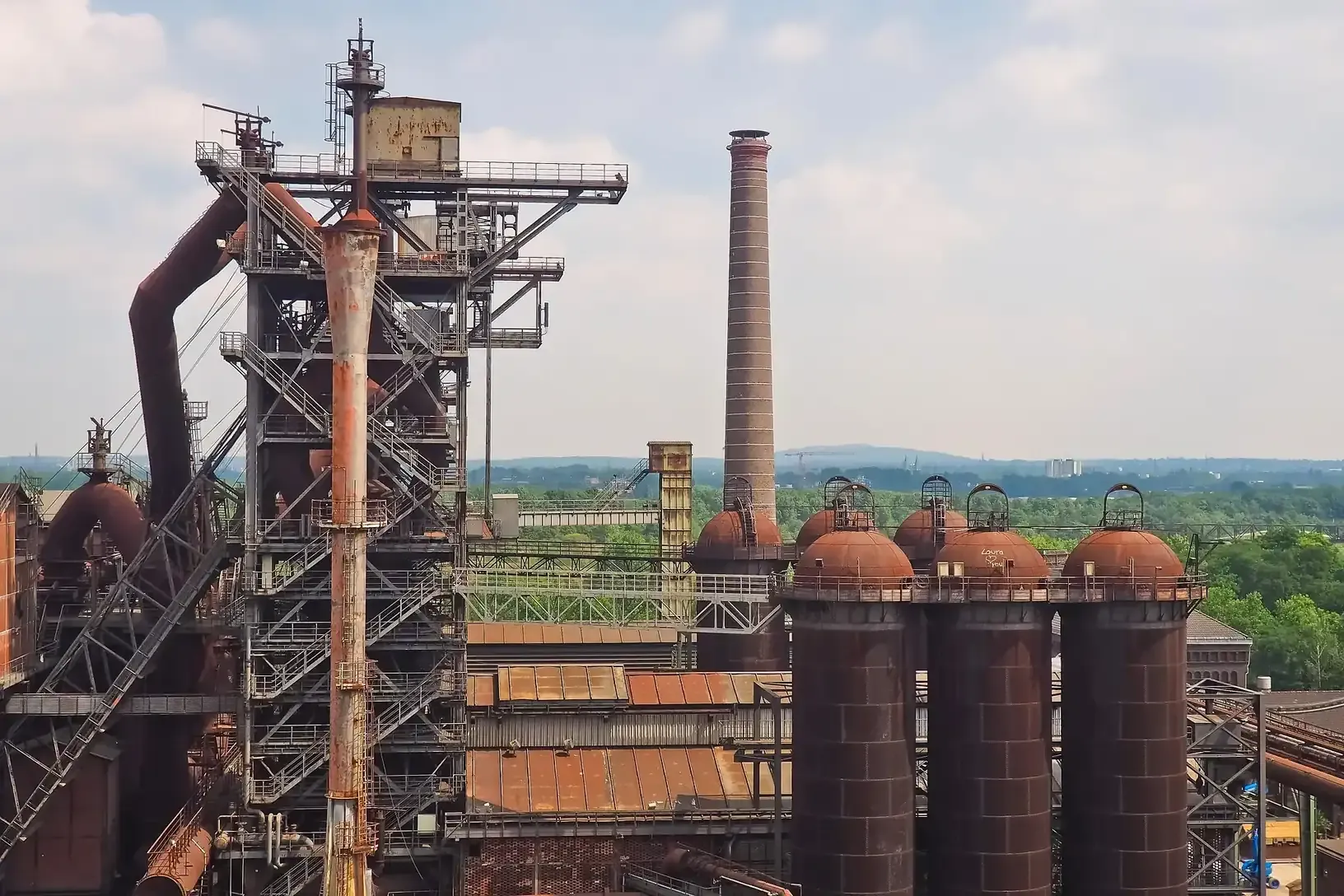
Modern steel manufacturing plant with thermal management systems

Transforming Steel Production with Advanced Thermal Solutions

The Steel industry stands at the intersection of growth and transformation - driven by global demand and pressured by decarbonization goals. As one of the most energy-intensive sectors, steelmaking demands innovative thermal solutions that not only support high production rates but also address the pressing need to lower energy consumption and emissions. By enabling heat recovery from various stages of steel production, we help reduce reliance on fossil fuels, lower thermal losses, and enhance overall plant efficiency.

Industry Challenges

  • Rising energy costs impacting profitability
  • Stringent environmental regulations
  • Need for decarbonization
  • Increasing efficiency demands

Our Thermal Solutions

  • Waste Heat Recovery - Maximizing energy recovery from DRI kilns, sinter plants, and gases
  • Coke Drying Systems - Efficient thermal solutions for coke production
  • Custom Heat Recovery
    • Tailored systems for EAF, EOF etc.
    • Blast Furnace Gas Air Preheater

Supporting India’s Decarbonization Goals

India has committed to achieving net-zero carbon emissions by 2070, with a near-term target of reducing emissions intensity by 45% by 2030. According to India’s Low Carbon Roadmap for the steel sector and the National Green Hydrogen Mission, the goals include reducing CO₂ emissions by 0.4 tonnes per tonne of crude steel by 2030, and gradually transitioning to hydrogen-based and electric steelmaking.

Fuel Flexibility

Our systems are engineered to handle the most challenging fuel types found in steel production environments, including hostile, variable, and low-GCV fuels:

  • Steam Generation - 1 to 120 TPH capacity, up to 540°C, 120 kg/cm² pressure
  • Blast Furnace Gas (BFG) - Low-calorific value byproduct gas
  • Coke Oven Gas (COG) - High-hydrogen content fuel
  • Linz-Donawitz Gas (LDG) - Steel converter gas
  • Coal & Biomass Blends - Versatile solid fuel options

End-to-End Services

Comprehensive engineering solutions tailored to your steel plant’s unique requirements:

  • Mass-energy balance studies
  • Process flow simulations
  • Structural and piping layouts
  • Advanced CFD and FEA modeling

Diverse Steel Industry Applications

  • Power generation from waste heat
  • Process heating for steelmaking
  • Raw material drying systems
  • Coke oven gas utilization
  • EAF/EOF thermal integration
  • By-product gas recovery

Trusted by Industry Leaders

We’ve had the privilege of working with some of the most respected names in the steel industry.

  • Jindal SAW - India
  • JSW Steel - Bellary & Salem
  • JSPL - Raigarh & Angul
  • Vedanta - Sesa-Goa
  • ESL Bokaro - India
  • Tata Metallics - Durgapur, India
  • Tata Steel - Jamshedpur, India
  • Jayaswal Neco - India

Partner With Us for Sustainable Steel Production

As the steel industry evolves, we believe the future lies in energy recovery integration, hybrid fuel systems, and modular thermal design. Urja-Disha is uniquely positioned to guide this transition, with a track record of delivering custom-built systems that offer efficiency without compromise.

Our design team will assess your plant’s heat recovery potential and identify optimization opportunities.


Case Studies

Projects We Have Delivered

Plant we engineered, supplied and commissioned in this sector.

Delivered Project Case Study

Coke Drying System for JSPL Angul, Odisha

Client:JSPLEnd User:Angul, Odisha

A 150 TPH coke drying system at the JSPL Angul works, using 258,000 Nm³/hr of sinter cooler waste hot air to bring blast furnace coke moisture down from 5% to 2%.

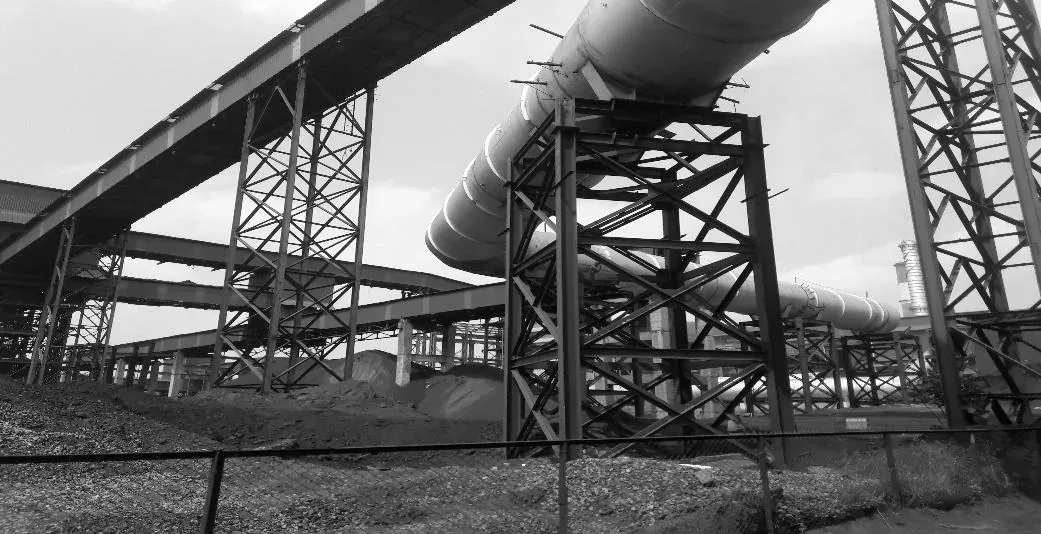
Coke drying bunkers fed by sinter cooler waste hot air at JSPL Angul

The Challenge

  • High energy losses as waste hot air from the sinter cooler was vented directly into the atmosphere.
  • Coke used in the blast furnace had a moisture content of 5%, which increased coke consumption and reduced blast furnace performance, leading to higher operational costs and inefficiencies.

Our Solution

  • Capturing waste hot air from the sinter cooler (258,000 Nm³/hr at 250°C)
  • Diluting and controlling the temperature to ensure safe drying.
  • Transferring the Hot gases to the Coke bunkers (150 TPH capacity) with a proper distribution system.
  • Utilizing a 'Moving packed bed' concept for effective heat transfer and retention.
  • Installing robust safety systems for safe and reliable operation.
  • Enabling use of alternate waste gas sources like boiler exhaust, glandon heater exhaust, and stove exhaust.

The Results

  • Coke drying capacity: 150 TPH
  • Reduction in moisture: From 5%, down to 2%
  • Waste energy utilized: 8.5 Million Kcal/hr
  • Equivalent Coke saving: 1030 kg/hr
  • Capital Investment: ₹8 Cr.
  • Estimated Payback period: 8 months

Client Benefits

  • Substantial Energy savings
  • Improved blast furnace performance
  • Attractive payback period
  • Reduction in Carbon Footprint
Delivered Project Case Study

Coke Drying System for Jindal Steel & Power Ltd (JSPL), Raigarh, Odisha

Client:JSPLEnd User:Raigarh, Odisha

A 150 TPH coke drying system at the JSPL Raigarh works, recovering waste hot air from the sinter cooler to bring blast furnace coke moisture down from 6% to 2%.

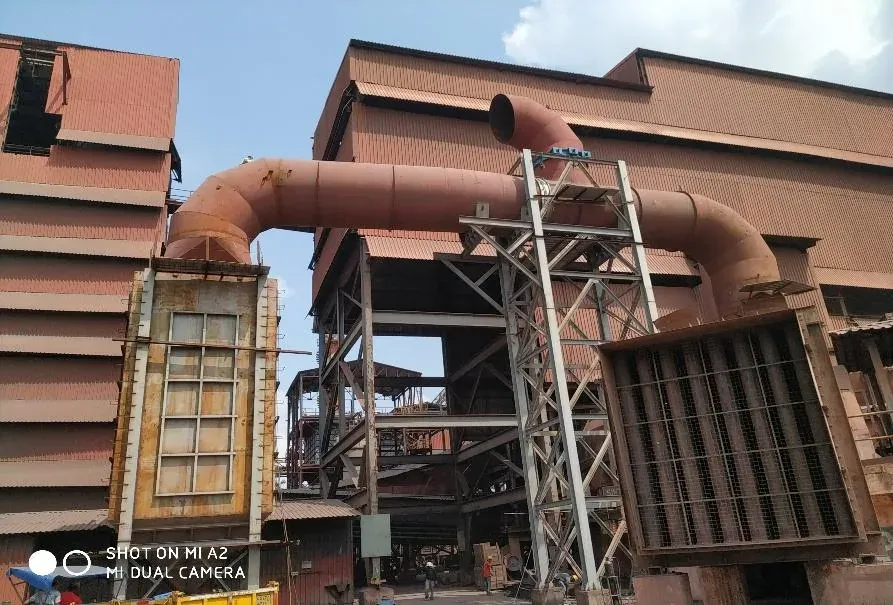
Coke drying bunkers and hot gas ducting of the sinter cooler waste heat system at JSPL Raigarh

The Challenge

  • High energy losses as waste hot air from the sinter cooler was vented directly into the atmosphere.
  • Coke used in the blast furnace had a moisture content of 6%, which increased coke consumption and reduced blast furnace performance, leading to higher operational costs and inefficiencies.

Our Solution

  • Capturing waste hot air from the sinter cooler (100,000 Nm³/hr at 250°C).
  • Diluting and controlling the temperature to ensure safe drying.
  • Transferring the Hot gases to the Coke bunkers (150 TPH capacity) with a proper distribution system.
  • Utilizing a 'Moving packed bed' concept for effective heat transfer and retention.
  • Installing safety systems for reliable operation.
  • Enabling use of alternate waste gas sources like boiler exhaust, glandon heater exhaust, and stove exhaust.

The Results

  • Coke drying capacity: 150 TPH
  • Reduction in moisture: From 6%, down to 2%
  • Waste energy utilized: 4.9 Million Kcal/hr
  • Equivalent Coke saving: 350 kg/hr
  • Capital Investment: ₹6 Cr.
  • Estimated Payback period: 6 months

Client Benefits

  • Substantial Energy savings
  • Improved blast furnace performance
  • Attractive payback period
  • Reduction in Carbon Footprint
Delivered Project Case Study

Coke Drying System for JSW Steel Ltd, Bellary, Karnataka

Client:JSW Steel LtdEnd User:Bellary, Karnataka

A 110 TPH coke drying system at JSW Steel Ltd, Bellary, Karnataka, using 300,000 Nm³/hr of sinter cooler waste hot air to bring blast furnace coke moisture down from 8% to 3%.

The Challenge

  • High energy losses as waste hot air from the sinter cooler was vented directly into the atmosphere.
  • Coke used in the blast furnace had a moisture content of 8%, which increased coke consumption and reduced blast furnace performance, leading to higher operational costs and inefficiencies.

Our Solution

  • Capturing waste hot air from the sinter cooler (300,000 Nm³/hr at 220°C)
  • Diluting and controlling the temperature to ensure safe drying.
  • Transferring the Hot gases to the Coke bunkers (110 TPH capacity) with a proper distribution system.
  • Utilizing a 'Moving packed bed' concept for effective heat transfer and retention.
  • Installing robust safety systems for safe and reliable operation.
  • Enabling use of alternate waste gas sources like boiler exhaust, glandon heater exhaust, and stove exhaust.

The Results

  • Coke drying capacity: 110 TPH
  • Reduction in moisture: From 8%, down to 3%
  • Waste energy utilized: 4.3 Million Kcal/hr
  • Equivalent Coke saving: 610 kg/hr
  • Capital Investment: ₹8.5 Cr.
  • Estimated Payback period: 10 months

Client Benefits

  • Substantial Energy savings
  • Improved blast furnace performance
  • Attractive payback period
  • Reduction in Carbon Footprint
Delivered Project Case Study

Coke Drying System for JSW Steel Ltd, Salem Works, Tamil Nadu

Client:JSW Steel LtdEnd User:Salem Works, Tamil Nadu

A 75 TPH coke drying system at the JSW Steel Salem Works, recovering 11,500 Nm³/hr of coke oven battery waste gases at 1000°C to bring blast furnace coke moisture down from 6% to 2%.

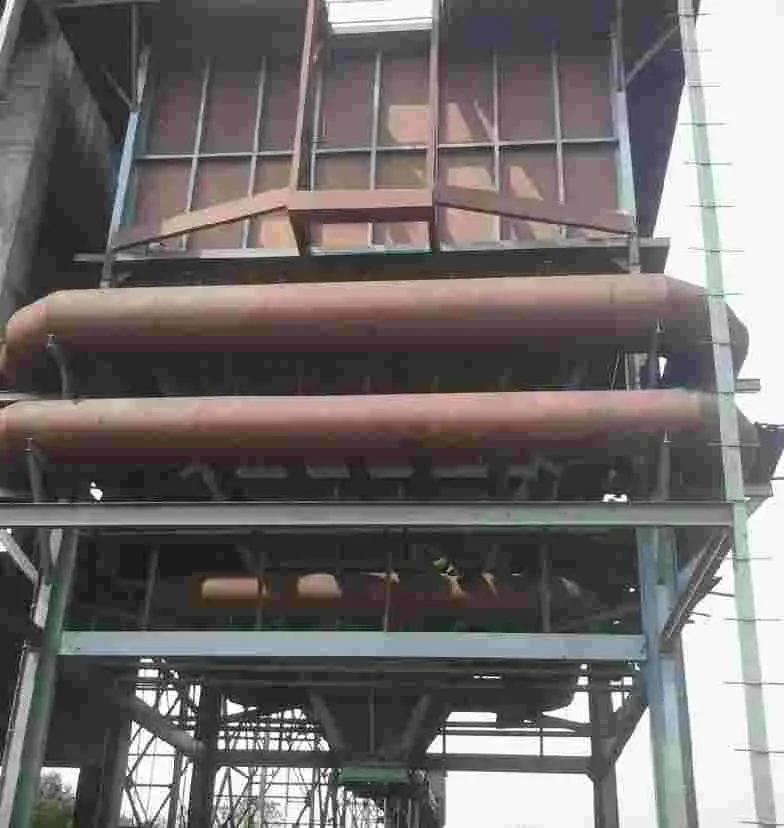
Coke drying bunkers fed by coke oven battery waste gases at JSW Steel Salem Works

The Challenge

  • High energy losses as waste gases from the coke oven battery were vented directly into the atmosphere.
  • Coke used in the blast furnace had a moisture content of 6%, which increased coke consumption and reduced blast furnace performance, leading to higher operational costs and inefficiencies.

Our Solution

  • Capturing waste gases from the coke oven battery (11,500 Nm³/hr at 1000°C)
  • Diluting and controlling the temperature to ensure safe drying.
  • Transferring the Hot gases to the Coke bunkers (75 TPH capacity) with a proper distribution system.
  • Utilizing a 'Moving packed bed' concept for effective heat transfer and retention.
  • Installing robust safety systems for safe and reliable operation.

The Results

  • Coke drying capacity: 75 TPH
  • Reduction in moisture: From 6%, down to 2%
  • Waste energy utilized: 3.3 Million Kcal/hr
  • Equivalent Coke saving: 470 kg/hr
  • Capital Investment: ₹2 Cr.
  • Estimated Payback period: 1 Year

Client Benefits

  • Substantial Energy savings
  • Improved blast furnace performance
  • Attractive payback period
  • Reduction in Carbon Footprint

Clientele

Trusted by Industry Leaders

Leading enterprises running Urja-Disha engineered systems.

Next step

Tell us your duty, fuel specifications and site conditions.

Our thermal engineering team will analyze your requirements, identify optimal equipment configurations, and respond with engineering proposals.